Source Black Hazard Warning Light Switch for Cars, Trucks, and Buses
Compare 30 verified listings for the black hazard warning light switch suitable for automotive and industrial applications. Buyers can evaluate specifications like voltage, working modes, and certifications from suppliers in China to find the right component for their needs; compare the available evidence and request quotations based on your requirements.
Key considerations
Products List


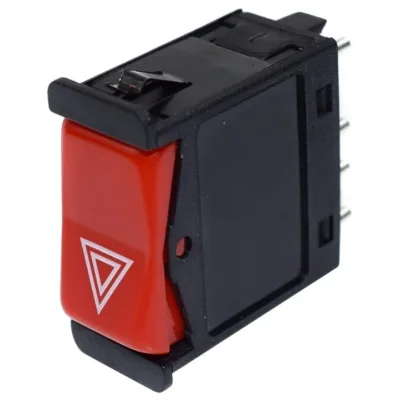


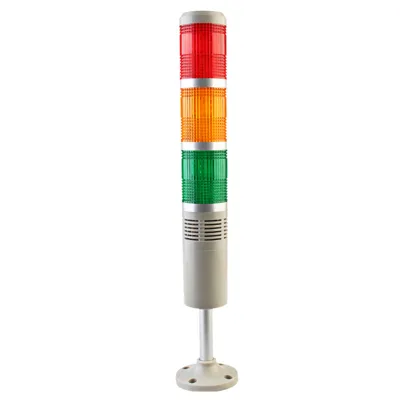

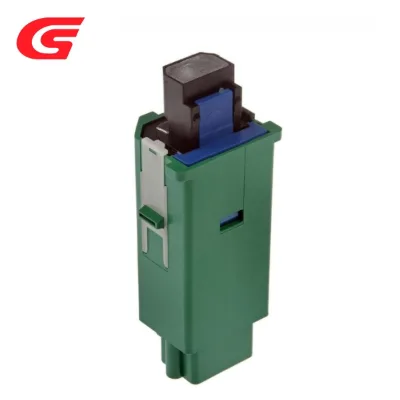


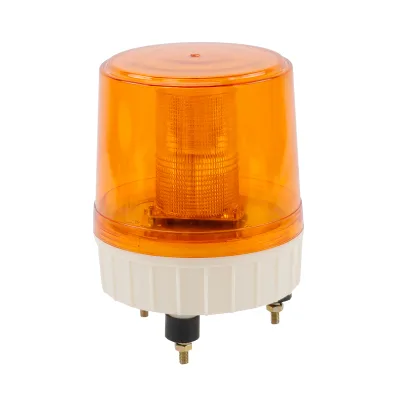
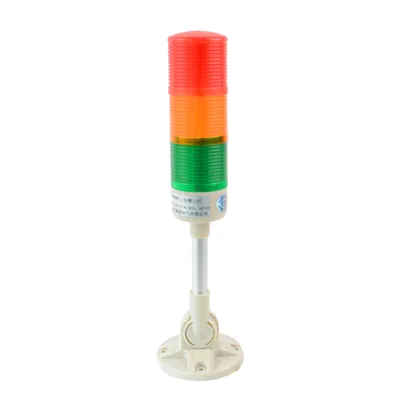


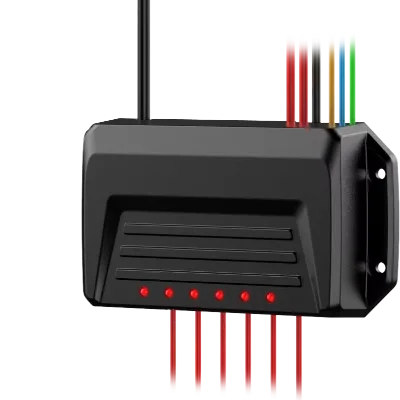


Comprehensive Sourcing Guide
Black Hazard Warning Light Switch Sourcing Guide
Procuring black hazard warning light switches requires a disciplined approach to verifying electrical compatibility and physical durability. Buyers must first confirm that the switch’s voltage rating aligns with their vehicle or industrial system, as observed listings show options for both DC 12V/24V and AC 220V/380V configurations. Selecting the wrong voltage can lead to immediate component failure or safety hazards. Additionally, the working principle, often electromechanical for these types of switches, dictates the tactile feedback and lifespan. Understanding whether the unit is passive or active in its transmission mode is critical for integration into existing alarm or signaling networks.
The physical design and environmental resistance are equally vital for long-term reliability. Many observed units feature a robust IP56 protection grade, ensuring resistance to dust and water jets, which is essential for outdoor or heavy-duty industrial applications. The color specification, typically red for hazard warnings, must be verified against local safety standards and fleet aesthetics. Furthermore, the mounting dimensions and standard sizes, such as 152152237mm or smaller compact variants, must match the existing panel cutouts. Buyers should request detailed dimensional drawings before placing orders to ensure seamless installation without requiring custom fabrication or extensive wiring modifications.
Product Scope and Observed Listing Signals
The current market for hazard warning switches includes a diverse range of models, from industrial alarms to automotive replacement parts. Observed product models like LTE-5100 and LTE-1101J suggest a focus on wired alarm systems with cable transmission modes. These units are often designed for both indoor and outdoor use, indicating a versatile application scope. The presence of specific model numbers like Opt-Gz-0447 and Opt-OS323 points to a segment dedicated to replacement and repair purposes, particularly for automotive applications. Buyers should carefully distinguish between general industrial alarm switches and specialized automotive components, as their internal circuitry and mounting mechanisms differ significantly.
Listing signals also reveal variations in packaging and weight, which impact logistics and handling. Products are packed in cartons or white boxes, with weights ranging from 0.2kg to 2.5kg per piece. This variation suggests that some listings may include multiple units or heavier industrial-grade housings, while others are lightweight automotive switches. The observed price range of 1-40.13 USD indicates a broad spectrum of quality and feature sets. Buyers must correlate these price points with the specified certifications and material quality to avoid under-specifying their procurement needs. Understanding these listing signals helps in filtering suppliers who offer genuine, high-quality components versus those providing generic, low-cost alternatives.
Technical Specifications to Verify
Voltage and frequency compatibility are the primary technical parameters to validate. While some switches operate on DC 12V/24V, others support AC 220V/380V at 50Hz/60Hz frequencies. Buyers must ensure the switch matches their power source to prevent electrical damage. The alarm volume, often specified as ≥110dB within 1 meter, is crucial for visibility in noisy environments. Additionally, the receive frequency, such as 229.95MHz for certain wireless-enabled models, must be checked if the system relies on remote triggering. These electrical specifications directly influence the switch’s performance and reliability in critical safety applications.
Environmental operating conditions and physical dimensions are equally important verification points. The working temperature range of -30°C to +70°C ensures functionality in extreme climates, which is vital for outdoor or industrial use. Buyers should verify the protection grade, with IP56 being a common standard for dust and water resistance. The physical standard dimensions, such as 1286cm or 151010cm, must be cross-referenced with installation space constraints. Furthermore, the working mode, whether passive or active, affects how the switch interacts with the central control unit. Accurate verification of these technical details prevents integration errors and ensures the switch performs as expected under stress.
Compliance and Safety Documentation
Certification status is a non-negotiable aspect of sourcing hazard warning switches. Observed listings mention ISO, CE, and FCC certifications, which indicate adherence to international quality and safety standards. Buyers must request valid certification documents to verify that the products meet regulatory requirements in their target markets. CE marking is essential for European sales, while FCC compliance is critical for electronic devices in the United States. These certifications ensure that the switches do not emit harmful electromagnetic interference and are safe for end-users. Without proper documentation, buyers risk facing customs delays, legal liabilities, or product recalls.
Warranty and condition policies provide additional layers of protection for procurement teams. Most observed products come with a 12-month warranty and are listed in new condition, which sets a baseline for expected performance. Buyers should clarify the warranty terms, including coverage for manufacturing defects and return procedures. The purpose of some switches, such as replacement or repair, may affect the warranty validity if installed incorrectly. Understanding these commercial safeguards helps in assessing the total cost of ownership. Buyers should also inquire about the supplier’s quality control processes during manufacturing to ensure consistent compliance with stated standards.
Cost Drivers and Commercial Terms
Minimum Order Quantity (MOQ) and pricing structures significantly influence procurement strategy. Observed MOQs range from 1 to 500 units, offering flexibility for both small-scale repairs and large-scale fleet upgrades. Buyers with lower volume needs can source single units, while larger orders may qualify for volume discounts. The observed price range of 1-40.13 USD reflects variations in material quality, certification levels, and feature sets. Buyers should analyze the cost per unit against the specified technical specifications to ensure value for money. Overpaying for unnecessary features or underpaying for substandard components can lead to higher long-term costs due to replacements and downtime.
Packaging and shipping logistics also impact the total cost of acquisition. Products are packed in cartons or white boxes, with dimensions varying based on the model. Buyers should calculate shipping costs based on the weight and volume of the order, as heavier industrial switches may incur higher freight charges. Lead times, though not explicitly stated, are often influenced by MOQ and customization availability. Buyers should confirm production schedules to avoid delays in critical projects. Additionally, customization options are available for some models, which may incur additional costs and longer lead times. Understanding these commercial terms helps in budgeting accurately and planning inventory levels effectively.
Supplier Qualification and Quality Control
Supplier origin and manufacturing capabilities are key indicators of product reliability. Most observed products originate from Zhejiang or Shanghai, China, regions known for their robust manufacturing ecosystems. Buyers should verify the supplier’s production capacity and quality control processes to ensure consistent output. Requesting factory audits or third-party inspection reports can provide insights into the manufacturing standards. Suppliers with ISO certification are more likely to adhere to rigorous quality management systems. Buyers should also assess the supplier’s responsiveness and technical support capabilities, as these factors are crucial for resolving issues during integration or after-sales service.
Quality control checks should include visual inspections and functional testing of sample units. Buyers should verify the color consistency, switch actuation force, and electrical connectivity before approving bulk orders. The protection grade, such as IP56, should be validated through independent testing if possible. Additionally, buyers should check for any signs of material degradation or poor soldering in the internal components. Establishing a clear quality agreement with the supplier, including acceptance criteria and rejection procedures, helps in maintaining high standards. Regular communication and feedback loops with the supplier can also drive continuous improvement in product quality and service delivery.
Long-Term Procurement Checks
Lifecycle management and spare parts availability are critical for sustained operations. Buyers should assess the expected lifespan of the switches and the availability of replacement components. Models like Opt-Gz-0447 are explicitly for replacement or repair, indicating a focus on longevity. Buyers should ensure that the supplier can provide compatible spare parts for at least five to ten years. This foresight prevents operational disruptions due to component failure. Additionally, buyers should monitor updates in safety standards and technology trends to ensure their procurement strategy remains relevant. Adapting to new requirements helps in maintaining compliance and operational efficiency over time.
Performance monitoring and feedback mechanisms are essential for continuous improvement. Buyers should track the failure rates and performance metrics of the switches in real-world applications. Collecting data on issues such as switch sticking, electrical failures, or environmental damage can inform future purchasing decisions. Sharing this feedback with the supplier can lead to product improvements and better quality control. Buyers should also establish a regular review process to evaluate supplier performance and market trends. This proactive approach ensures that the procurement strategy aligns with organizational goals and safety standards, ultimately enhancing the reliability of the hazard warning systems.
FAQs
What voltage options are available for these alarm units?
The units support multiple voltage configurations including DC 12V/24V and AC 220V/380V. This flexibility allows integration into various industrial and automotive systems. The standard 220V model is widely available. Buyers should verify the specific electrical requirements of their installation site to ensure compatibility with the selected device model and power supply.
Can these devices be customized for specific applications?
Yes, customization is available for these industrial alarm systems. Buyers can request specific modifications to meet unique operational needs. The brand Sntoom offers tailored solutions for different environments. This service ensures the equipment fits precise technical specifications. Custom orders may require additional lead time and specific communication with the supplier regarding the required adjustments.
What certifications do these products hold?
The products hold ISO, CE, and FCC certifications. These standards ensure compliance with international quality and safety regulations. The ISO certification indicates robust manufacturing processes. CE and FCC marks confirm adherence to European and American electronic safety norms. Buyers requiring specific regulatory compliance for their region should verify the exact certification documents provided with the order.
What is the alarm volume and working principle?
The alarm volume exceeds 110dB within one meter, ensuring high audibility. The working principle is electromechanical, providing reliable signal transmission. The decibel range is typically 106-120dB. This high volume is suitable for noisy industrial environments. The wired alarm system ensures stable operation without wireless interference, making it ideal for critical safety applications.
What is the warranty period for these units?
The warranty period is 12 months for new condition units. This coverage protects against manufacturing defects and ensures product reliability. Buyers receive support for any issues arising during this period. The warranty applies to the standard models available. It is important to retain proof of purchase and follow installation guidelines to maintain warranty validity for the purchased equipment.
What is the protection grade and operating temperature?
The protection grade is IP56, offering dust and water resistance. The operating temperature range is -30°C to +70°C. This durability allows use in harsh indoor and outdoor environments. The IP56 rating ensures protection against powerful water jets. Buyers operating in extreme climates should confirm that the temperature range meets their specific environmental conditions for safe and continuous operation.